Representative Image

KGW Isotherm Disposal Cans, Orange Coating, Type E2, Cap. 15 Ltrs

Ø

Dimensions (ØxH)

Height

Nominal capacity

Specifications

Compare models
HS Code #
70172000
Ø
330 mm
Dimensions (ØxH)
330 x 450 mm
Height
450 mm
Nominal capacity
15 l
UNSPSC
41123300

NTD 37,962

Inc. VAT

Available soon

Product description

The KGW Isotherm Disposal Cans with an orange coating (Type E2) are designed for the safe disposal of hazardous materials. With a 15-liter capacity, these cans are ideal for laboratory or industrial use. The durable orange coating ensures visibility and added protection, while the Type E2 design guarantees easy handling and secure closure. These cans are a reliable choice for efficient waste management in laboratories and other research facilities.

Key Features:

  • Brand: KGW Isotherm
  • Coating: Bright orange for high visibility and added protection
  • Capacity: 15 liters
  • Design: Type E2 with secure cap for safe disposal
  • Application: Ideal for hazardous material disposal in laboratories and industrial environments

The KGW Isotherm Disposal Can is a crucial piece of equipment for managing laboratory waste safely and effectively.

Compare similar models

Disposal cans,orange coatingstype E2,cap. 15 ltrs.

Manufacturer P/N

1622

Part Number

9.032 852

Manufacturer

KGW Isotherm

Ø

330 mm

Disposal cans,orange coatings type E0,cap. 4 ltrs.

Manufacturer P/N

1625

Part Number

9.032 848

Manufacturer

KGW Isotherm

Ø

230 mm

Disposal cans,orange coatings type E1,cap. 8 ltrs.

Manufacturer P/N

1621

Part Number

9.032 850

Manufacturer

KGW Isotherm

Ø

265 mm

Frequently asked questions

It are designed for the safe disposal of hazardous materials. With a 15-liter capacity, these cans are ideal for laboratory or industrial use. The durable orange coating ensures visibility and added protection, while the Type E2 design guarantees easy handling and secure closure. These cans are a reliable choice for efficient waste management in laboratories and other research facilities.

Insights

Explore
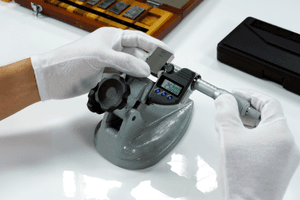
Cleaning Lab Glassware: Removing Stubborn Residue

7 mins read

Cleaning Lab Glassware: Removing Stubborn Residue

Cleaning laboratory glassware properly is essential for accurate, safe, and repeatable lab work. This guide explains how to remove stubborn residue from beakers, flasks, bottles, volumetric glassware, and other lab glassware, including grease, dried salts, biological residue, stains, and burnt deposits. It also covers safe cleaning methods, common mistakes, drying and storage tips, and when damaged glassware should be replaced.
Read full story
How to Calibrate Your Pipettes to ISO 8655 Standards

7 mins read

How to Calibrate Your Pipettes to ISO 8655 Standards

Pipette calibration helps laboratories confirm that liquid handling results remain accurate, repeatable, and traceable. This guide explains how pipettes are calibrated to ISO 8655 standards, including gravimetric testing, environmental control, correct tip selection, volume testing, calibration records, and common mistakes to avoid. It also covers when to use in-house calibration and when an external calibration service may be more suitable.

Read full story
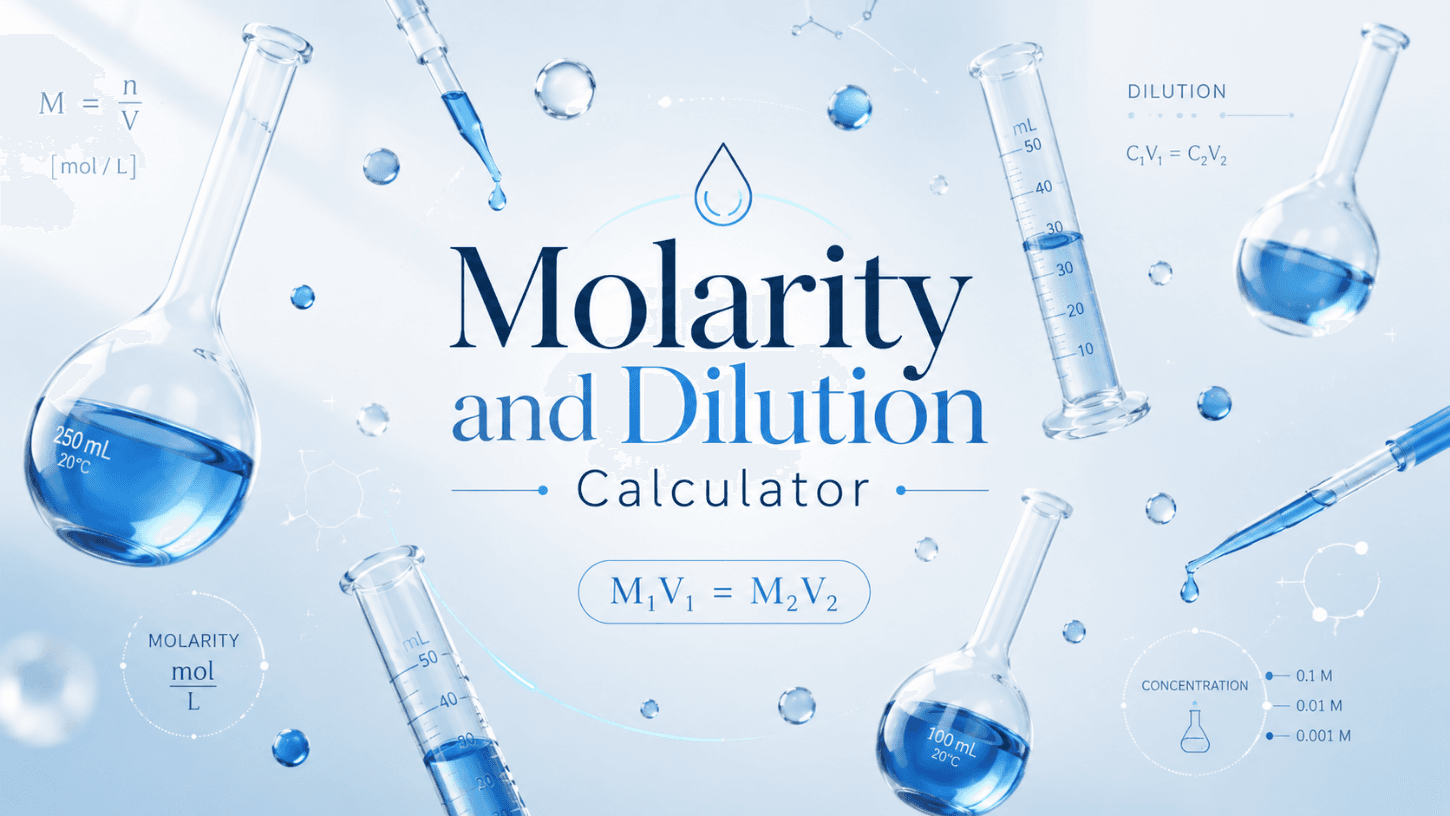
Molarity and Dilution Calculator

9 mins read

Molarity and Dilution Calculator

A free molarity and dilution calculator covering four essential lab calculations: C1V1=C2V2 dilution (solve for any unknown), molarity from mass, mass from molarity, and serial dilution table generation. Includes worked examples, a concentration units guide and step-by-step preparation instructions for every result.

Read full story
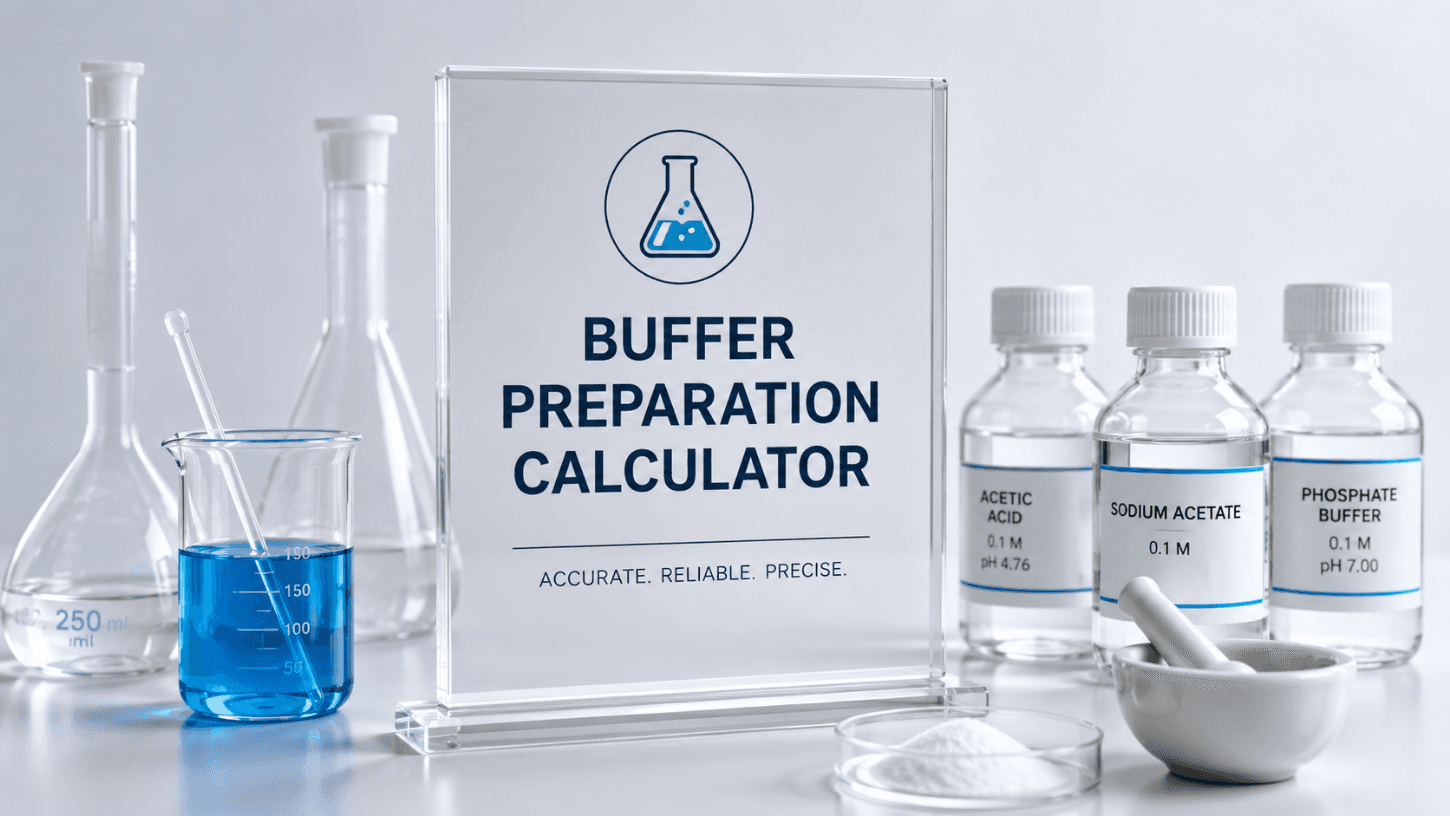
Buffer Preparation Calculator

9 mins read

Buffer Preparation Calculator

Free online buffer preparation calculator. Select your buffer system, enter target pH, concentration and volume, and get an exact lab-ready recipe with reagent masses and step-by-step instructions. Covers PBS, Tris-HCl, sodium phosphate, acetate, HEPES, MOPS and more.

Read full story